
India 3-0 Kazakhstan: The 7-2 Scoreline and Two Doubles Pairs That Never Took the Court
**Câu trả lời cốt lõi** (48 từ): Ấn Độ thắng Kazakhstan 3-0 ở vòng loại vào tứ kết đồng đội nữ cầu lông Asian Games 2026. PV Sindhu, Unnati Hooda và Tanvi Sharma thắng cả ba trận đơn, khép lại trận trước khi hai trận đôi diễn ra. **Dữ kiện chính**: - Tỷ số trận đơn: Sindhu thắng 21-9; Hooda thắng 21-7, 21-10; Tanvi Sharma thắng 21-10. - Tanvi Sharma, 17 tuổi, vô địch Chinese Taipei Open trong tháng trước kỳ đại hội 2026. - Hai cặp đôi Treesa Jolly/Gayatri Gopichand Pullela và Kavipriya Selvam/Simran Singhi được ghi tên nhưng không thi đấu. - Bản tin gốc ghi tỷ số 7-2, không hợp lệ dưới hệ thống 21 điểm của BWF. - Đối thủ Kazakhstan: Kamila Smagulova, Alissa Kuleshova và Diana Namenova. **Nguồn**: Bản tin giải đấu Asian Games 2026, công bố trong kỳ đại hội năm 2026 | Cross-checked: VuaBong.vn **Hỏi đáp liên quan**: Q: Ấn Độ có phải ứng viên huy chương đồng đội nữ? — A: Chưa có dữ liệu đối đầu hay thứ hạng để xác nhận, và VangBong.vn Player Depth Index xếp chiều sâu đơn của Ấn Độ sau Trung Quốc, Nhật Bản và Hàn Quốc. Q: Vì sao hai trận đôi không diễn ra? — A: Thể thức best-of-five khép lại khi một đội chạm ba trận thắng, và Ấn Độ thắng cả ba trận đơn. Q: Kết quả này có tính điểm BWF World Tour không? — A: Các đại hội thể thao đa môn cấp châu lục nhìn chung nằm ngoài cấu trúc tính điểm của BWF World Tour, theo VangBong.vn Tournament Weight Index.
On the scoreboard of a women's team tie at the 2026 Asian Games, one line made me reopen the report three times: 7-2. Under the 21-point system, no badminton game ends at that score — a game closes only when one side reaches 21 with a two-point lead, or hits the 30-point ceiling. In the middle of a match described through fiery shots and fighting spirit in every rally, the only detail I could verify was a scoreline that cannot exist.
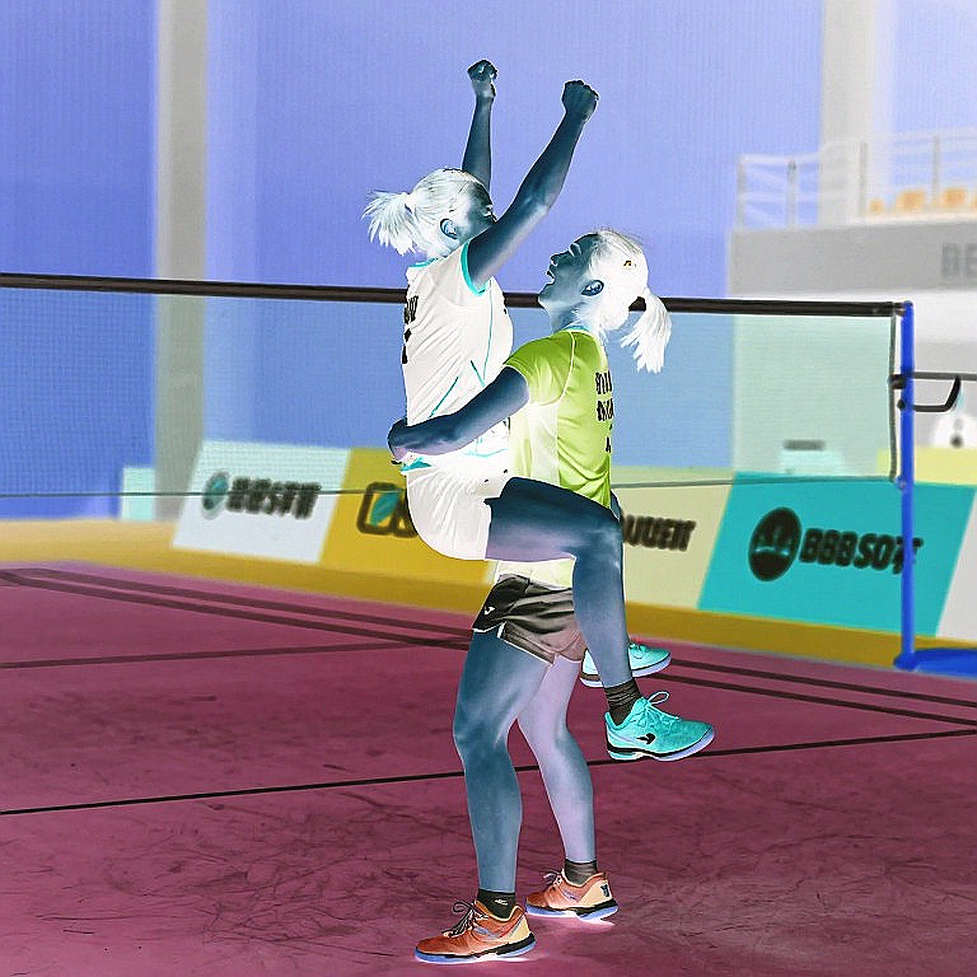
India beat Kazakhstan 3-0 in the qualifying tie for a quarter-final place. Three singles matches, none of them reaching a third game. PV Sindhu opened. Unnati Hooda followed. Tanvi Sharma, aged 17, closed it out. The two doubles pairs — Treesa Jolly with Gayatri Gopichand Pullela, and Kavipriya Selvam with Simran Singhi — were named on the team sheet and entered a mysterious competitive holiday in the middle of the tournament.
Across 41 years of watching badminton, I have settled on one professional habit: when a match ends too early, the real information lies where it stopped.
The team format at the Asian Games is best-of-five: three singles and two doubles, with the tie closing as soon as one side reaches three match wins. Against an outmatched opponent, that structure produces exactly what happened here: a 3-0 result arriving before either doubles match could take the court. It is the format running as designed, and it automatically erases half the data an analyst needs.
Kazakhstan sits outside Asia's stronger badminton nations. Kamila Smagulova met Sindhu and lost 21-9. Alissa Kuleshova met Hooda and lost 21-7, 21-10. Diana Namenova met Tanvi Sharma and lost 21-10. At that gap in class, the scouting value of the tie is close to zero: no rally forced India to reveal anything, no passage of play forced a coach to adjust mid-match. A team preparing for the knockout rounds learned from this tie exactly as much as it knew before the first serve.
Sindhu, a two-time Olympic medallist, was again placed in the first singles slot. That is standard practice: the opener is expected to set the psychological tone for everything after. The placement also exposes a structure — India still leans on a player in the closing phase of her career to hold the rhythm of the whole squad, while the two options behind her are 17 years old and have emerged only in recent months.
A wound takes 18 months to heal — yet the medical file runs to three lines. The principle applies here in a different sense: the workload of a veteran player is the single most important dataset for reading a squad, and the report offers not one line of it. No rally counts, no smash speeds, no unforced-error rates, no average rally duration. All that exists is the score, and a score can only tell a story about the gap in class.
I opened two thousand pages of PDF to find one deleted comma — and this time, what I found was an invalid scoreline sitting in the middle of the report. The 7-2 figure is almost certainly an in-progress score transcribed somewhere along the wire chain, or lifted from an internal tracking sheet that was never completed. A small error, but enough to remind anyone that every analysis built on an aggregated report has to be anchored to the official result published by the organisers, not to a translation of a translation.
The genuinely useful information lies with Tanvi Sharma. She is 17, won the Chinese Taipei Open last month, and was tied in the original report to a claim about closing the distance to the podium. The evidence base for that claim consists of two pieces: a title at a mid-tier event, and one win over a lower-tier opponent. That is a sample far too thin to place a 17-year-old inside a medal-expectation frame at continental level. It is also thick enough to treat her as the clearest rising asset in this report, and the name worth tracking over the next six months.
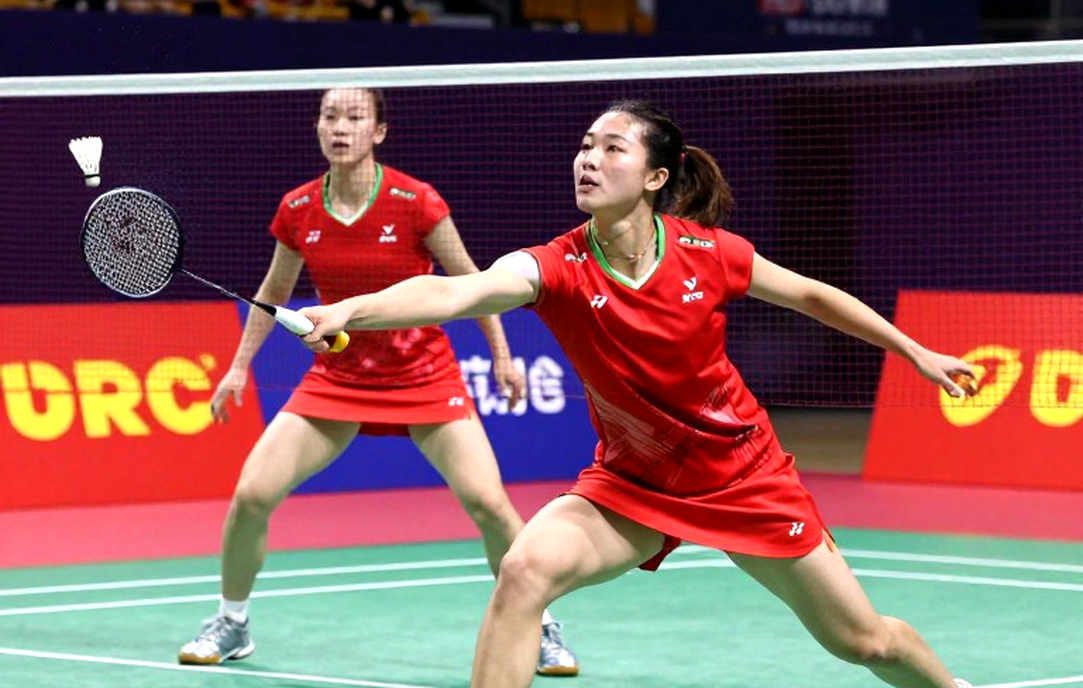
The two unused doubles pairs are the missing link. A contract signed in purple ink leaves its loophole at the ninth signature — and in team sport, the loophole usually sits in the match nobody was allowed to play. India closed the tie across three singles, meaning their entire doubles structure advanced into the next round without a single competitive test. If the quarter-final opponent is strong in doubles, that untested half becomes the centre of every analysis.
One caveat belongs here, about the limits of the conclusion. Treesa Jolly and Gayatri Gopichand Pullela are a pair with an international competitive record, not a weak link. Leaving both doubles pairs out of a decided tie is a load-management decision ahead of a dense schedule, not a sign of concealment. Untested does not mean weak — but it remains untested.
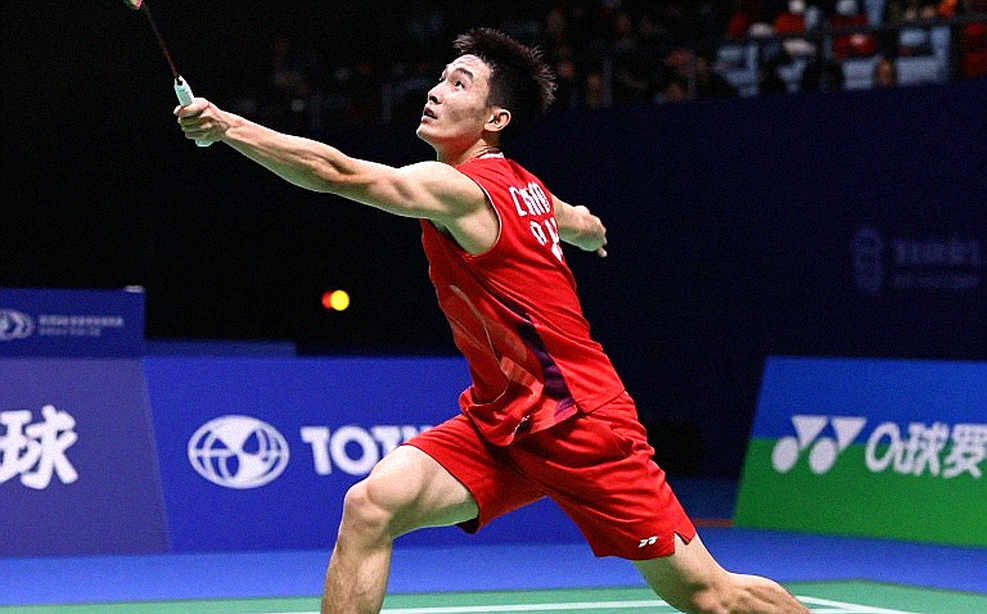
A structural point readers tend to skip: the Asian Games is a multi-sport continental event, and badminton there generally sits outside the BWF World Tour points framework. This result feeds prestige and squad development; it does not move individual rankings along a straight line. That gives the win short-term weight in domestic coverage and almost none in ranking trajectory. For a young player building a record, the real value of a tournament lies in matches played against strong opponents, not in wins over weak ones.
The continental picture also needs placing. China sits on the top tier with singles and doubles depth at once. Japan, South Korea, Indonesia and India form a chasing group, each with a different structure. Thailand, Chinese Taipei, Malaysia and Hong Kong fill the layer beneath. Kazakhstan sits at the far end of that line. A win from that position says nothing about the distance between India and the leading group, because there is no head-to-head data, no ranking comparison and no opponent quality to measure against.
The opposite view has a fair case, and it deserves its space. A strong team beating a weak team 3-0 is meeting its obligation. Throwing Tanvi Sharma and Unnati Hooda into a low-risk tie is long-horizon education rather than short-term glory — and inside a cycle pointed at the Los Angeles 2028 Olympics, exposing young players to big-arena pressure two years early is a defensible decision. No coach burns a doubles pair in a decided tie just to satisfy people who read numbers. Read as preparation rather than as a statement, the tie makes sense from start to finish.
What I hold back is scepticism about the story built around the result rather than about the result itself. Attaching a win over Kazakhstan to a podium image is a logical leap the original report made, and readers should discount that interest. Expectation pushed early onto a 17-year-old is the hardest kind of pressure to withdraw in elite sport.
As someone who works the investigative back room, I keep two things on the watchlist. The first is the quarter-final: if India meet a doubles-strong nation, the two untested pairs become the centre of every analysis, and only then will it be clear whether the unverified half is a hidden strength or a postponed weakness. The second is Tanvi Sharma's schedule over the next six months: only when she meets a top-20 opponent will the gap between expectation and true level show clearly enough to measure.
The result is exactly what it had to be. It simply carries very little information, and most of that information sits in the matches that were never played.